 Post by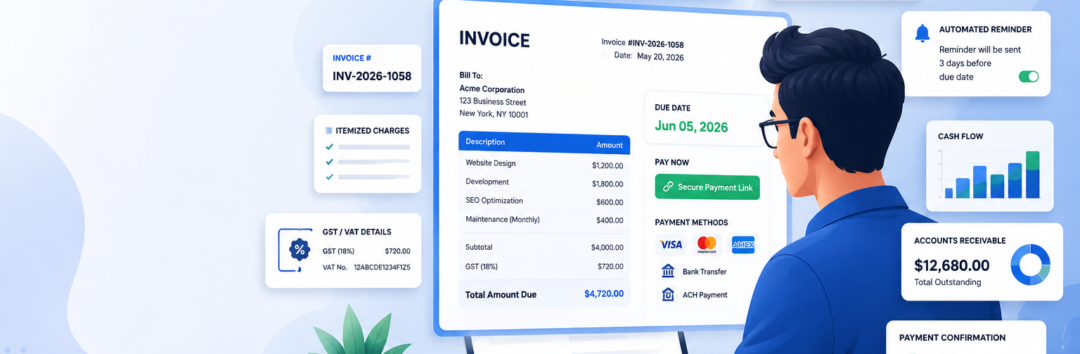
How to Write an Invoice That Gets Paid Faster | Complete Invoice Guide. Learn how to write an invoice that gets paid faster with proven strategies, clear payment terms, professional templates, payment reminders, and online payment methods.
How to Write an Invoice That Gets Paid Faster
Getting paid on time is one of the biggest challenges for freelancers, agencies, consultants, and small business owners. You may have completed the work perfectly, delivered before the deadline, and even exceeded your client’s expectations—yet your payment is still delayed.
The problem often isn’t your service. It’s your invoice.
A poorly written invoice can confuse clients, slow down the invoice approval process, create unnecessary invoice disputes, and increase the number of outstanding invoices sitting in your accounting system. On the other hand, a well-structured invoice with clear payment instructions, accurate client billing information, and convenient digital payment options makes it much easier for clients to pay quickly.
Think of an invoice as more than just a bill. It’s a professional communication tool that reflects your business, builds trust, and encourages prompt payment. Even small improvements—like adding a payment link, clearly stating the payment due date, or including multiple payment methods—can significantly reduce payment delays.
In today’s digital world, businesses expect invoices that are easy to understand, easy to approve, and even easier to pay. Whether you’re sending a one-time invoice or managing recurring invoices, following a few best practices can dramatically improve your cash flow management and reduce the time spent chasing payments.
This comprehensive guide explains exactly how to write an invoice that gets paid faster. You’ll learn what information every invoice should contain, how to create professional invoices that clients trust, and proven techniques that encourage on-time payments.
Why a Professional Invoice Makes All the Difference
Many business owners assume that once the work is complete, payment is simply a matter of waiting. Unfortunately, that’s not how most organizations operate.
In many companies, invoices pass through multiple departments before payment is released. An invoice might first be reviewed by the project manager, then forwarded to procurement, followed by finance, and finally processed by the accounts payable contact.
If any required information is missing, the invoice often gets returned for correction.
This creates unnecessary delays that could have been avoided with proper invoice formatting.
Imagine receiving two invoices:
Invoice A
- Missing invoice number
- No payment due date
- No company branding
- No payment instructions
- Only one payment method
- Missing tax information
Invoice B
- Professional invoice branding
- Clearly visible invoice number
- Proper invoice issue date
- Accurate client billing information
- Detailed itemized charges
- Multiple payment methods
- Clickable payment link
- Complete GST/VAT details
- Clear payment terms
Which invoice would you process first?
Most finance teams naturally prioritize invoices that require no additional clarification.
Professional invoices reduce confusion and help businesses process payments more efficiently.
The Hidden Cost of Poor Invoicing
Late payments don’t just affect your bank account.
They create a ripple effect across your business.
For example:
- Delayed salaries
- Difficulty paying suppliers
- Reduced marketing budget
- Interrupted business growth
- Increased stress
- Poor cash flow management
According to many small business surveys, late payments remain one of the leading reasons businesses struggle with consistent cash flow.
The longer an invoice remains unpaid, the more time you’ll spend sending emails, making phone calls, and following up.
That’s why investing a few extra minutes in creating a professional invoice saves hours later.
Essential Elements Every Invoice Must Include
A great invoice answers every question your client might have before they even ask.
Let’s break down every section.
1. Invoice Number
Every invoice should include a unique invoice number.
This helps both you and your client track payments and organize accounting records.
Example:
- INV-1001
- INV-2026-045
- WEB-0789
Never send invoices without numbering them.
2. Invoice Issue Date
Always include the invoice issue date.
This establishes when the invoice was created and helps calculate payment deadlines.
Example:
Invoice Date: July 24, 2026
3. Payment Due Date
One of the biggest reasons invoices remain unpaid is because clients don’t know when payment is expected.
Instead of saying:
“Please pay soon.”
Write:
Payment Due Date: August 7, 2026
A visible payment due date creates urgency and reduces ambiguity.
4. Client Billing Information
Always verify your client billing information before sending the invoice.
Include:
- Company Name
- Billing Address
- Contact Person
- Email Address
- Phone Number
Sending an invoice to the wrong department can delay payment for weeks.
5. Accounts Payable Contact
Large companies often have a dedicated accounts payable contact responsible for processing invoices.
Instead of emailing a project manager, send the invoice directly to the finance department whenever possible.
This simple step can reduce payment delays significantly.
6. Purchase Order (PO) Number
Many corporations require a Purchase Order (PO) Number before approving payment.
Without it, the invoice may be automatically rejected.
Always ask clients:
“Can you please provide the PO number that should appear on the invoice?”
7. Itemized Charges
Never send vague invoices.
Instead of writing:
Website Development — $2,000
Break everything down.
Example:
Website Design — $900
Homepage Development — $600
Contact Form Integration — $200
Testing & Deployment — $300
These itemized charges increase transparency and reduce questions from finance teams.
8. Total Amount Due
Highlight the total amount due clearly.
Make it bold.
Increase the font size if necessary.
Clients should never search for the final amount.
Example:
Total Amount Due: $2,000
9. GST/VAT Details
Depending on your country, include applicable GST/VAT details.
A compliant tax invoice helps businesses claim tax credits and minimizes accounting issues.
Include:
- GST Number
- VAT Registration Number
- Tax Percentage
- Tax Amount
10. Payment Methods
Don’t limit clients to one payment option.
Offer multiple payment methods, such as:
- Bank transfer details
- Credit card payment
- ACH payment
- Wire transfer
- UPI (where applicable)
- PayPal
- Stripe
- Razorpay
The easier it is to pay, the faster clients usually do.
11. Payment Link
Modern invoices should include a secure payment link.
Instead of asking clients to manually enter banking information, let them click a button and complete payment in seconds.
Businesses that include payment links often reduce payment friction and improve collection times because clients can pay immediately from their desktop or mobile device.
12. Remittance Information
For businesses paying through traditional banking systems, include remittance information so the payer can reference the invoice correctly.
Typical remittance details include:
- Invoice Number
- Business Name
- Bank Reference
- Payment Reference Code
This makes it easier to match incoming payments with the correct invoice and reduces accounting errors.
13. Invoice Notes
Don’t underestimate the value of invoice notes.
Use this section to thank your client, clarify deliverables, or include friendly reminders.
For example:
“Thank you for your business! Please contact us if you have any questions regarding this invoice. We appreciate your prompt payment.”
A courteous tone reinforces professionalism and helps strengthen long-term client relationships.
14. Business Terms and Conditions
Include concise business terms and conditions at the bottom of your invoice.
These may cover:
- Accepted payment methods
- Refund policy (if applicable)
- Ownership transfer after payment
- Late payment policy
- Currency used
- Tax responsibilities
Having these terms in writing reduces misunderstandings and can help prevent future payment disputes.
Create Clear Invoice Payment Terms
One of the most common reasons invoices remain unpaid is the lack of clear invoice payment terms. Many business owners assume their clients already know when payment is expected, but assumptions often lead to delays.
Instead of writing vague phrases such as:
- Payment due upon receipt
- Kindly pay as soon as possible
- Payment expected shortly
Be specific.
For example:
- Payment Due Date: August 15, 2026
- Invoice Payment Terms: Net 15
- Payment accepted via Bank Transfer, Credit Card, ACH, or Payment Link
The clearer your payment expectations, the easier it is for clients to prioritize your invoice.
Explain Your Payment Timeline
Different businesses have different billing cycles. Choosing the right payment terms helps set expectations from the beginning.
Net 15 Payment Terms
With Net 15 payment terms, payment is expected within 15 days of the invoice issue date.
Example:
Invoice Date: July 1
Payment Due Date: July 16
This option works well for freelancers, consultants, and marketing agencies that need steady cash flow.
Net 30 Payment Terms
Many larger organizations prefer Net 30 payment terms because they align with their internal accounting cycles.
Example:
Invoice Date: July 1
Payment Due Date: July 31
Although Net 30 means waiting longer, large corporate clients often require this structure as part of their procurement process.
Which Payment Term Is Better?
If you’re working with startups or small businesses, Net 15 usually results in quicker payments.
If your clients are enterprises with structured finance departments, Net 30 may be unavoidable.
The key is consistency. Choose payment terms that fit your business and communicate them clearly on every invoice.
Encourage Early Payments
Sometimes clients simply don’t prioritize invoices unless there’s a financial reason to do so.
That’s where incentives can help.
Offer an Early Payment Discount
An early payment discount rewards clients who pay before the due date.
Example:
Pay within 7 days and receive a 2% discount.
This strategy is especially useful for long-term clients and recurring projects. While you earn slightly less on an individual invoice, improved cash flow and fewer follow-ups often outweigh the small discount.
Why It Works
Finance departments often appreciate opportunities to reduce expenses. A modest discount can move your invoice to the top of the payment queue.
Protect Yourself with Late Payment Fees
While incentives encourage early payments, late payment fees discourage unnecessary delays.
Be transparent.
Mention the policy on your invoice under your business terms and conditions.
Example:
A 2% late payment fee will be applied to invoices unpaid after the due date.
Always discuss this policy before beginning the project so there are no surprises later.
For long-term business relationships, many companies choose to remind clients before enforcing any penalties.
Write Payment Instructions That Remove Friction
One of the easiest ways to speed up payments is by providing crystal-clear payment instructions.
Never assume your client knows how you want to be paid.
Include:
- Preferred payment method
- Account name
- Account number
- IFSC or SWIFT code (if applicable)
- Currency
- Payment reference
- Contact information for billing questions
If you’re using online invoicing software, add a prominent payment link so clients can complete payment with a single click.
The less effort required, the more likely they are to pay immediately.
Offer Multiple Digital Payment Options
Modern clients expect flexibility.
Limiting them to one payment option can delay payment while they request alternatives.
Instead, offer multiple digital payment options such as:
- Bank transfer details
- Credit card payment
- ACH payment
- Wire transfer
- PayPal
- Stripe
- Razorpay
- UPI
- Apple Pay (where available)
Different clients have different payment preferences. By accommodating those preferences, you reduce payment friction.
Send a Professional Invoice Email
Many freelancers spend hours perfecting the invoice but write a rushed email to accompany it.
Your invoice email is the first thing the client sees.
A professional email increases the chances of prompt action.
Example Invoice Email
Subject: Invoice #INV-1045 – Website Redesign Project
Hi Sarah,
I hope you’re doing well.
Thank you for the opportunity to work on your website redesign project. Attached is Invoice INV-1045 for the completed work.
Payment Due Date: August 15, 2026
For your convenience, you can pay using the secure payment link included on the invoice or choose from the available payment methods.
If you have any questions, please let me know.
Thank you for your business!
Best regards,
John Smith
This email is concise, professional, and gives the client everything needed to proceed.
Follow Up Without Damaging Relationships
Many business owners avoid sending reminders because they fear appearing pushy.
In reality, clients are busy.
Invoices get buried in inboxes.
Approving managers travel.
Finance teams process hundreds of invoices every week.
A polite follow-up email often solves the problem.
Example Friendly Reminder
Hi Sarah,
I hope you’re having a great week.
Just a friendly reminder that Invoice INV-1045 was due on August 15.
If payment has already been processed, please ignore this message.
Otherwise, here is the payment link for your convenience.
Thank you!
This approach remains professional while gently encouraging action.
Use Invoice Automation
Manual invoicing consumes valuable time and increases the risk of mistakes.
Modern invoice automation software can automatically:
- Generate invoices
- Assign invoice numbers
- Send invoices
- Schedule recurring invoices
- Record payment status
- Update accounting software
- Generate reports
Automation helps businesses maintain consistency while reducing administrative work.
Schedule Automated Payment Reminders
One of the biggest benefits of invoicing software is automated payment reminders.
Instead of remembering every due date, your system can send reminders automatically.
A common reminder schedule looks like this:
- Invoice sent
- Reminder 5 days before due date
- Reminder on due date
- Reminder 3 days after due date
- Final reminder after one week
Automated reminders are consistent, professional, and much less stressful than manually tracking every invoice.
Manage Recurring Invoices Efficiently
If you provide monthly services such as marketing, website maintenance, consulting, or software subscriptions, use recurring invoices.
Benefits include:
- Consistent billing
- Reduced administrative work
- Predictable revenue
- Better client experience
- Improved cash flow
Clients appreciate receiving invoices on a regular schedule because it helps them plan their budgets.
Reduce Invoice Disputes
Nothing delays payment more than invoice disputes.
Most disputes arise because of simple mistakes, including:
- Incorrect pricing
- Missing purchase order
- Wrong billing address
- Missing tax details
- Incomplete item descriptions
- Incorrect totals
Before sending any invoice, review it carefully.
A few extra minutes of proofreading can save weeks of delayed payment.
Verify Invoice Accuracy Every Time
Even minor errors can interrupt the payment process.
Double-check:
- Invoice number
- Client billing information
- Purchase Order Number
- Tax calculations
- Itemized charges
- Total amount due
- Payment due date
- Payment methods
Maintaining excellent invoice accuracy builds trust and reduces back-and-forth communication.
Strengthen Your Accounts Receivable Process
Efficient accounts receivable management isn’t just about collecting payments—it’s about creating a predictable financial system.
Track every invoice from issuance to payment.
Maintain records of:
- Invoice status
- Due dates
- Payment confirmations
- Follow-up emails
- Outstanding balances
A well-managed receivables process reduces overdue invoices and improves financial stability.
Use Payment Tracking to Stay Organized
Manual spreadsheets work for very small businesses, but as your client list grows, payment tracking becomes essential.
Track:
- Sent invoices
- Viewed invoices
- Due invoices
- Paid invoices
- Overdue invoices
- Partial payments
Having a real-time view helps you identify payment issues before they become serious.
Learn from Client Payment History
Every client develops a pattern.
Some always pay early.
Others consistently pay on the due date.
A few regularly pay late.
Maintaining a client payment history helps you make smarter business decisions.
For example:
- Require deposits from habitual late payers.
- Offer flexible terms to reliable clients.
- Adjust payment terms for future projects based on previous behavior.
This proactive approach minimizes financial risk while rewarding trustworthy customers.
Reduce Outstanding Invoices
The more outstanding invoices you have, the greater the strain on your business.
Review unpaid invoices weekly.
Contact overdue clients politely but consistently.
Prompt attention prevents small delays from becoming long-term collection issues.
19. Personalize Every Invoice
Many businesses use generic invoices that look exactly the same for every customer. While this saves time, adding a touch of invoice personalization can strengthen client relationships and encourage prompt payment.
Personalization doesn’t mean rewriting the invoice every time. Instead, include details that make the invoice feel specific to the project.
For example:
- Mention the project name.
- Reference the completed milestone.
- Thank the client by name.
- Include a short appreciation note.
Instead of writing:
“Consulting Services”
Write:
“SEO Strategy Consultation for ABC Technologies – July 2026”
This reassures the client that the invoice matches the agreed work and reduces the likelihood of questions or disputes.
20. Build Trust with Strong Invoice Branding
Your invoice represents your business just as much as your website or business card. Consistent invoice branding creates a professional impression and helps clients immediately recognize your company.
Include:
- Company logo
- Brand colors
- Professional typography
- Business address
- Contact details
- Website URL
- GST/VAT registration number (where applicable)
A clean, branded invoice demonstrates attention to detail and reinforces credibility.
21. Use an Online Payment Gateway
Modern businesses increasingly prefer paying online rather than manually entering banking information.
Connecting your invoices to an online payment gateway allows clients to pay in minutes using secure digital methods.
Popular gateways support:
- Credit cards
- Debit cards
- Digital wallets
- Bank transfers
- International payments
Reducing the number of steps between receiving the invoice and making the payment can significantly improve collection speed.
22. Confirm Payments Promptly
After receiving payment, don’t leave your client wondering whether everything went through successfully.
Send a payment confirmation email thanking them for the payment and acknowledging receipt.
A simple confirmation message might include:
- Invoice number
- Amount received
- Date of payment
- Confirmation that the invoice is fully paid
- A thank-you note
This small step builds trust, improves the client experience, and creates a professional end to the billing process.
23. Make Cash Flow Management a Priority
Sending invoices quickly is only one part of maintaining healthy finances. Effective cash flow management requires monitoring your entire billing cycle—from issuing invoices to collecting payments and reconciling accounts.
Some practical habits include:
- Send invoices immediately after completing work.
- Review unpaid invoices every week.
- Track due dates using accounting software.
- Automate reminders for overdue payments.
- Reconcile payments regularly.
- Forecast monthly income based on expected payments.
Businesses with disciplined invoicing and collection processes are better equipped to handle unexpected expenses, invest in growth, and avoid cash shortages.
Common Mistakes That Delay Payments
Even experienced business owners occasionally make invoicing mistakes. Avoid these common issues:
- Sending invoices several days or weeks after completing work.
- Forgetting to include a payment due date.
- Omitting the Purchase Order (PO) Number required by corporate clients.
- Using vague service descriptions instead of clear itemized charges.
- Providing only one payment option.
- Forgetting to add bank transfer details or a payment link.
- Sending invoices to the wrong accounts payable contact.
- Ignoring overdue invoices instead of following up professionally.
- Making calculation errors that affect invoice accuracy.
- Failing to verify client billing information before sending the invoice.
Each of these mistakes can slow down approvals and increase the time it takes to receive payment.
Best Practices for Faster Invoice Payments
If you want to consistently receive faster invoice payments, follow these best practices:
- Send invoices as soon as the work is completed.
- Use professional invoice templates with consistent branding.
- Include all essential invoice details.
- Clearly state invoice payment terms and the payment due date.
- Offer multiple payment methods and digital payment options.
- Add a secure payment link to every invoice.
- Use invoice automation to reduce manual errors.
- Schedule automated payment reminders.
- Review invoices carefully for invoice accuracy.
- Monitor accounts receivable, payment tracking, and client payment history to identify trends and reduce overdue accounts.
Following these practices will not only help you get paid faster but also strengthen your reputation as a professional business.
Frequently Asked Questions (FAQs)
1. What should every professional invoice include?
A professional invoice should contain:
- Invoice number
- Invoice issue date
- Payment due date
- Client billing information
- Purchase Order (PO) Number (if required)
- Itemized charges
- Total amount due
- GST/VAT details
- Payment instructions
- Payment methods
- Business contact information
2. What are Net 15 and Net 30 payment terms?
Net 15 means payment is due within 15 days from the invoice issue date.
Net 30 means payment is due within 30 days.
The right choice depends on your business model and your client’s accounting process.
3. Should I charge late payment fees?
Yes, if they are communicated clearly in your business terms and conditions before work begins. Late payment fees encourage timely payments and compensate you for delays.
4. Is it better to offer multiple payment methods?
Absolutely. Providing options such as credit card payment, ACH payment, wire transfer, and bank transfer details makes it easier for clients to pay using their preferred method.
5. How often should I send payment reminders?
A good schedule includes:
- When the invoice is sent
- A few days before the due date
- On the due date
- A few days after the due date
- Weekly until payment is received
Automating these reminders saves time and maintains consistency.
6. How can I reduce invoice disputes?
Reduce invoice disputes by ensuring every invoice is accurate, detailed, and easy to understand. Verify prices, tax calculations, billing information, and purchase order details before sending the invoice.
Final Thoughts
Creating an invoice isn’t just an administrative task—it’s a critical part of running a successful business. A professional invoice sets clear expectations, simplifies the approval process, and makes it as easy as possible for clients to pay.
By using well-defined invoice payment terms, including accurate client billing information, offering multiple payment methods, and leveraging invoice automation, you can reduce delays, strengthen client relationships, and improve your overall cash flow management.
Remember, getting paid faster isn’t about sending more reminders—it’s about removing every obstacle that could slow the payment process. A clear, accurate, and professionally presented invoice shows clients that you value both your work and their time.
Whether you’re a freelancer, consultant, agency owner, or small business, refining your invoicing process is one of the simplest ways to improve financial stability and reduce the stress of chasing overdue payments.
Key Takeaways
- Include all essential invoice details, from the invoice number to the total amount due.
- Set clear payment due dates and choose appropriate Net 15 or Net 30 payment terms.
- Offer multiple digital payment options, including secure payment links.
- Use invoice automation and automated payment reminders to streamline collections.
- Monitor accounts receivable, payment tracking, and client payment history regularly.
- Send courteous follow-up emails and payment confirmations to maintain positive client relationships.
- Focus on accuracy, transparency, and professionalism to achieve consistently faster invoice payments.
Call to Action
Ready to improve your invoicing process? Start by reviewing your current invoice template and implementing the best practices from this guide. Small changes—such as clearer payment terms, better branding, and easier payment options—can have a significant impact on how quickly you get paid. A smarter invoice today can lead to healthier cash flow and stronger client relationships tomorrow.
Also Read: Invoice vs Receipt vs Bill: What’s the Difference